CurveBlock
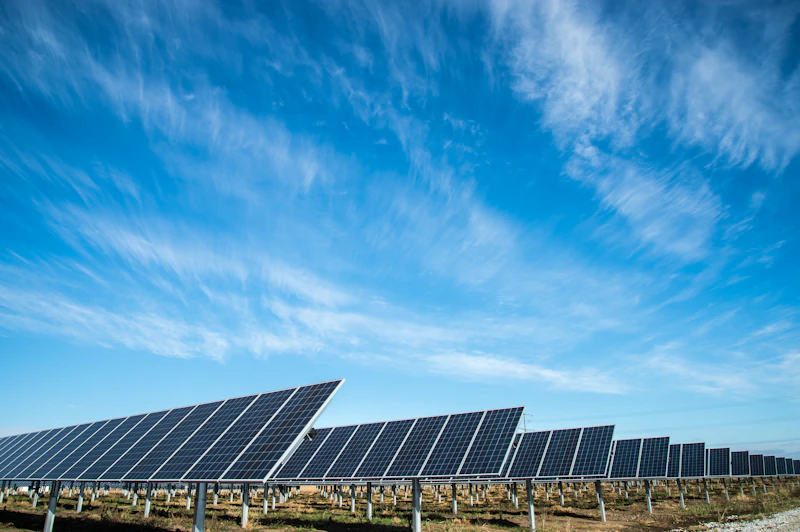
Solar farms make money for investors by converting sunlight into electricity and selling that electricity under contracts or into the wholesale market. Income is generated from power purchase agreements sales at market prices and ancillary grid services. Pairing solar with battery storage and long term contracts increases predictability and creates steady income for a property fund.
How a solar farm turns sunlight into cash
At its simplest a solar farm makes money by producing kilowatt hours and selling them. Revenue flows come from three main channels. First there are long term agreements with an offtaker that set a fixed price for electricity over many years. Second there are sales into the wholesale electricity market at prevailing prices which fluctuate with supply and demand. Third there are payments for services that help keep the electricity system stable such as frequency response and reactive power. These three channels can be mixed according to the site and the strategy of the fund.
Solar income is a combination of contracted sales market sales and payments for grid services.
What power purchase agreements do for income stability
Power purchase agreements or PPAs are contracts between the solar generator and a buyer of electricity. A PPA can fix a price for many years or specify a price formula that tracks an index. That fixed revenue stream reduces exposure to volatile market prices and allows a fund to forecast cashflows more accurately. For a property fund PPAs can be arranged with local businesses tenants or utilities meaning the solar asset becomes a predictable revenue line inside the fund.
Long term power purchase agreements turn variable generation into predictable contracted income.
How battery storage increases and stabilises returns
Battery storage doors up the flexibility of a solar installation. When the sun is shining and output exceeds immediate demand the battery can store electricity and sell it later when prices are higher. This simple arbitrage can increase gross revenue. More importantly batteries can supply ancillary services to the grid such as short term frequency response and reserve capacity. These services are often paid at premium rates and can run year to year as extra income streams. Batteries also smooth the timing of cash flows so that revenue is not solely reliant on instantaneous generation and market spikes.
Battery storage adds time shifting and service revenues that smooth and uplift solar income.
Revenue stacking and how it benefits a property fund
Revenue stacking means capturing several revenue streams from the same physical asset. A combined solar and battery site can earn through a PPA wholesale market sales and multiple ancillary services all at once. For a property fund stacking reduces the risk that one market dries up because other streams can compensate. It also offers the fund a range of contractual structures to match investor needs and liability profiles. Over time stacked revenues can make the income profile of a renewables asset more resilient and more bankable when the fund seeks financing for additional projects.
Combining multiple revenue sources from the same asset spreads income risk and improves resilience.
How these income streams fit into a pooled property fund model
When solar farms and storage are held inside a pooled property fund the cashflows from renewable infrastructure are combined with rents and other property income. Pooling spreads site specific risks such as equipment downtime planning delays or curtailment across many assets. It also allows smaller investors to access projects that would otherwise be out of reach. A pooled approach can align with equal profit sharing per digital share so that each share carries a consistent claim on pooled revenues. To understand how pooled risk management works in practice read How a pooled fund spreads risk across projects compared with backing a single development.
Pooled ownership combines renewable income with property cashflows and spreads project level risk across many assets.
Contract design and commercial terms that matter
Not all PPAs or market contracts are the same. Contract length price indexation offtaker credit quality and clauses covering performance and curtailment influence how reliable revenue turns out to be. Similarly battery contracts may specify how battery capacity is allocated between arbitrage and grid services. A fund manager will balance contract terms to protect downside while preserving upside where possible. Robust contracting reduces volatility in distributions to shareholders and supports long term planning for maintenance upgrades or asset replacement.
Commercial detail in contracts determines how much of the revenue is stable and how much is exposed to market moves.
Operational factors and long term maintenance
Solar panels and battery systems require ongoing maintenance and periodic component replacement. Good operational management maximises availability increases energy yield and reduces unplanned outages that would otherwise reduce revenue. Predictive maintenance warranties and service agreements help smooth costs over time and can be factored into pricing when arranging PPAs. For a property fund with many assets centralised operations and shared service contracts can reduce unit costs and improve net income over the life of the installations.
Active operations and planned maintenance preserve yield and protect expected cashflows.
Risk considerations for investors
Renewables income faces a range of risks including policy changes technology obsolescence and market price swings. Counterparty risk and curtailment risk are also important. A battery adds components that can fail and may have different degradation profiles from panels. Funds mitigate these risks with diversification strong contracting warranties and careful technical due diligence. Holding renewables within a diversified property fund can reduce exposure to any single risk and make revenue less binary.
Risks are real but can be managed through diversification contract structure and technical diligence.
How digital shares open access while keeping governance
Digital shares make it possible for more people to co own renewables and property assets with lower minimums while preserving governance and auditability. CurveBlock offers digital shares in a pooled UK real estate and renewables fund from £10 with equal profit sharing per share and non expiring shares. CurveBlock is approved for Gate 1 of the Bank of England and FCA Digital Securities Sandbox. This Sandbox approval is not full FCA authorisation.
Digital shares can broaden investor access while maintaining clear ownership and profit sharing rules.
How to read a project that claims stable long term income
When assessing a solar and battery project look for diversified revenue streams long term PPAs or credible offtakers realistic degradation assumptions and strong operational plans. Check that ancillary services revenue claims are supported by market access and that battery life cycle costs are included. A pooled fund structure can further reduce exposure to single project outcomes and deliver steadier distributions to investors. For more on share terms and time horizons see Non expiring digital shares versus fixed term property investments.
Look beyond headline yields to contract detail operations and diversification when judging long term income claims.
Frequently asked questions
How do solar farms make money for investors?
They generate electricity that is sold under contracts into the market and through the provision of grid services and storage related revenues.
What is a power purchase agreement and why does it matter?
A power purchase agreement is a contract that sets the price and terms for electricity sales and it matters because it reduces revenue volatility.
How does battery storage improve returns for a solar project?
Battery storage enables time shifting to sell at higher prices and provides ancillary services which add new revenue streams.
Can a property fund own solar and storage alongside regular property assets?
Yes a property fund can hold renewables and property together which spreads risk and combines income streams.
Are digital shares the same as listed shares?
Digital shares represent ownership in the pooled fund and differ from listed shares in structure liquidity and governance arrangements.
Is the CurveBlock platform fully authorised by the FCA?
CurveBlock is approved for Gate 1 of the Bank of England and FCA Digital Securities Sandbox and that Sandbox approval is not full FCA authorisation.
General information about the CurveBlock platform. Not financial, legal or tax advice. Capital is at risk. The value of digital shares can fall as well as rise. Past performance is not a guide to future returns.