CurveBlock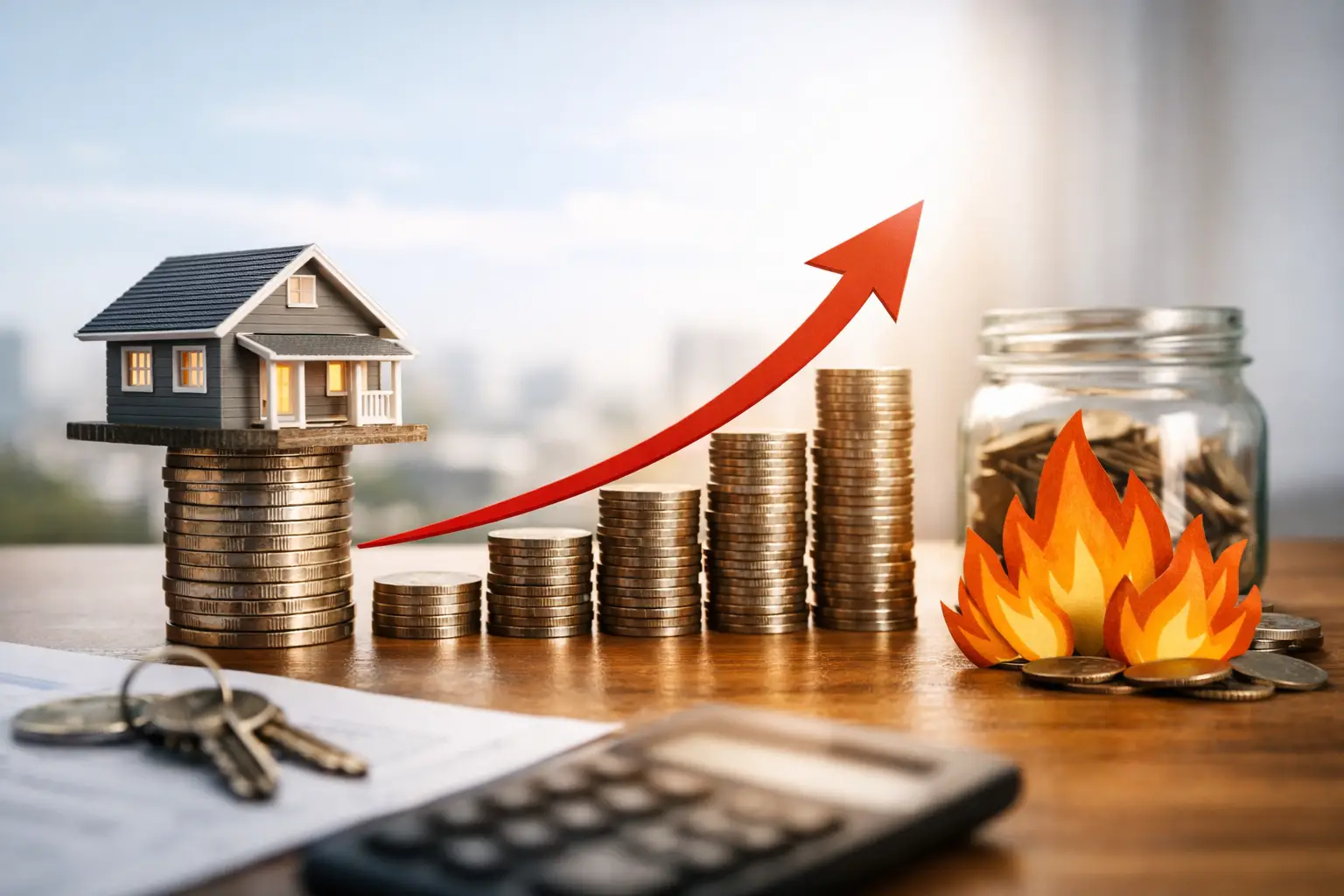
Inflation changes the maths of saving fast. Cash that feels safe can quietly lose spending power year after year, which is why many investors ask a more useful question than simply where to put money next: can property investing beat inflation over time?
The short answer is yes, it can. But it does not happen automatically, and it rarely looks like a straight line. Property can offer a useful hedge against inflation because rents and asset values often rise over long periods. At the same time, higher costs, interest rates, void periods and poor asset selection can all reduce real returns. The better question is not whether property always beats inflation, but under what conditions it has the strongest chance of doing so.
Why property is often seen as an inflation hedge
Property has one major advantage over cash: it is a real asset. When inflation rises, the replacement cost of buildings, materials and labour tends to rise too. Over time, that can support property values, especially in locations where demand remains strong and supply is limited.
Income matters as well. Unlike assets that rely purely on price growth, property can generate rental income. If rents increase broadly in line with wages and living costs, that income stream can help investors keep pace with inflation. This is one reason property has long been viewed as a core part of long-term wealth building.
That said, inflation is not a magic tailwind. Property performs best when rent growth, occupancy and asset management remain healthy. If inflation rises but tenants are stretched, rental growth may slow. If costs rise faster than income, the inflation hedge becomes weaker.
Can property investing beat inflation over time in the UK?
In the UK, property has historically shown resilience over long periods, particularly when held through different market cycles rather than chased for short-term gains. Residential and commercial property values have often increased over time, and rental income has provided an additional layer of return.
The key phrase is over time. In any single year, inflation can outpace property returns. A market downturn, weak local demand or rising finance costs can all create periods where property underperforms. Over five, ten or twenty years, however, well-chosen property exposure has often delivered returns that exceed inflation, especially when income is reinvested.
This matters for everyday investors. If your goal is preserving and growing purchasing power, nominal returns alone are not enough. A 5 per cent return in a 6 per cent inflation environment is still a loss in real terms. Property becomes attractive when it can deliver total returns above inflation after costs.
What drives real returns from property
Three moving parts usually determine whether property keeps ahead of inflation: capital growth, rental income and costs.
Capital growth comes from rising asset values. This may be influenced by location, regeneration, housing demand, supply constraints and the quality of the underlying asset. A good property in a poor market can struggle, while an average property in a strong location may perform better than expected.
Rental income is often the more dependable part of the return. If a property remains occupied and rents can be reviewed over time, income can provide a steadier contribution than price appreciation alone. That is especially relevant during volatile markets, when capital values may pause but rental demand remains intact.
Costs are where many inflation-beating assumptions break down. Maintenance, insurance, compliance, management fees, financing costs and tax all affect net returns. When these rise sharply, headline gains can look better than the actual return investors receive.
The trade-offs investors should understand
Property is not a perfect shield against inflation. It has strengths, but it also has friction.
Direct ownership can require significant capital, active management and concentration risk. If you own one buy-to-let and it sits empty, your inflation hedge is not doing much work. If repairs land at the wrong time, returns can be hit quickly. Property is also less liquid than cash or listed shares, so access to your money may be slower.
Higher interest rates can create another challenge. Inflation and rate rises often arrive together. That can push up mortgage costs, reduce buyer demand and place pressure on valuations. For leveraged investors, this can narrow margins even if rents are rising.
There is also a difference between local and national performance. UK property is not one market. A development in a growth corridor may behave very differently from a single flat in an area with weak demand. Broad claims about property beating inflation only really make sense when the assets themselves are strong.
Diversification changes the picture
This is where modern investment structures can make property more practical for a wider group of investors. Instead of relying on one asset, diversification spreads exposure across multiple properties or sectors. That can reduce the impact of a vacancy, local slowdown or underperforming site.
For inflation-conscious investors, diversified exposure matters because it shifts the focus from a single outcome to a broader strategy. If one part of the portfolio faces pressure, another may continue to generate income or growth. That can create a more stable route to real returns over time.
It also lowers the entry barrier. Traditional property investing often excludes people who do not have a large deposit, mortgage capacity or time to manage assets directly. A UK-regulated model that allows people to invest from just £10 into a diversified fund changes who gets access to asset-backed investing. That is one reason platforms such as CurveBlock appeal to investors who want property and infrastructure exposure without taking on the full burden of direct ownership.
Property versus cash when inflation is high
Cash has a role in any financial plan, but as a long-term inflation strategy it is limited. Unless savings rates consistently beat inflation after tax, purchasing power erodes. That is the quiet risk many savers face.
Property carries more risk than cash, but it also offers return drivers cash does not. There is potential for income, capital growth and the ability of real assets to reprice over time. For investors with a long-term horizon, that combination can make property a stronger inflation defence than leaving large sums idle in a low-yield account.
Still, the comparison should be realistic. Property is not a substitute for an emergency fund. It is a growth and income asset, not a place for money you may need next month.
When property may struggle to beat inflation
There are periods when property can disappoint. If you buy at an overheated price, absorb high financing costs or hold assets in weak locations, returns can lag inflation for years. The same is true if rental growth stalls while maintenance and compliance costs continue to rise.
Short holding periods are another common issue. Transaction costs can be meaningful, so investors who enter and exit quickly may find real returns squeezed. Property tends to reward patience more than precision.
And while inflation can support rents, it can also put pressure on tenants. If affordability weakens, there may be a ceiling on how much rent can rise in practice. That is why asset quality, tenant demand and local economics matter more than broad assumptions.
So, can property investing beat inflation over time?
Yes - when the assets are well selected, income is resilient, costs are managed and the investment horizon is long enough. Property is not inflation-proof, and it is certainly not risk-free. But compared with cash, it has a stronger long-term case for preserving and growing real value.
For UK investors, the most sensible approach is usually not to ask whether property is flawless, but whether it deserves a place in a diversified portfolio built for real returns. In many cases, it does.
The practical edge comes from access. When investors can start small, spread risk and invest through a regulated structure, property becomes less about chasing one big purchase and more about building ownership steadily. That mindset tends to suit inflation investing far better than waiting on the sidelines for the perfect moment.
If inflation is the force quietly eating away at your money, the answer is not panic. It is positioning. And over time, property can be one of the more credible ways to do it.