CurveBlock
If you have ever looked at investing and felt that some markets seem detached from everyday life, real world assets are the opposite. When people ask what are real world assets, they are usually talking about investments backed by tangible things you can see, use or measure - like buildings, solar projects, roads, warehouses or energy infrastructure.
That matters because the value is linked to something with practical economic use, not just market sentiment. For many investors, especially those looking for a more grounded way to build long-term wealth, that makes real world assets easier to understand and easier to trust.
What are real world assets?
Real world assets, often shortened to RWAs, are physical or tangible assets that generate value in the offline economy. In straightforward terms, they are assets with a real-life function. A residential development provides homes. A logistics site supports supply chains. A renewable energy project produces electricity and may generate contracted revenues.
This is different from purely speculative assets, where prices can move sharply based on hype, momentum or changing market narratives. Real world assets can still rise and fall in value, but they are anchored to underlying use, income potential and demand in the broader economy.
For most retail investors, the most familiar examples are property and infrastructure. These are often seen as asset-backed investments because they are tied to physical projects with measurable worth.
Why investors are paying more attention to real world assets
A lot of people want their money working harder, but they also want to understand what they own. That is one reason real world assets have become more relevant. They can offer exposure to sectors that have traditionally been difficult to access without significant capital, specialist knowledge or direct ownership responsibilities.
Property is a clear example. Buying an entire buy-to-let flat or commercial unit can require a large deposit, legal costs, ongoing maintenance and a high tolerance for admin. Infrastructure can be even less accessible, often sitting firmly in the world of institutions and large-scale investors.
Fractional investing changes that picture. Instead of needing enough capital to buy an asset outright, investors can buy smaller holdings in regulated structures that provide exposure to a diversified fund or portfolio. That opens the door to categories once viewed as out of reach.
Examples of real world assets
The phrase covers a broad range of investments, but some categories are more relevant than others for everyday investors.
Property
Residential, commercial and mixed-use property all fall into the real world asset category. Their value may come from rental income, development gains, long-term capital appreciation or a combination of all three.
Property appeals to many investors because it is familiar. People understand housing demand. They understand the role of offices, retail units and logistics space in the economy. Even when the market is complex, the asset itself is intuitive.
Infrastructure
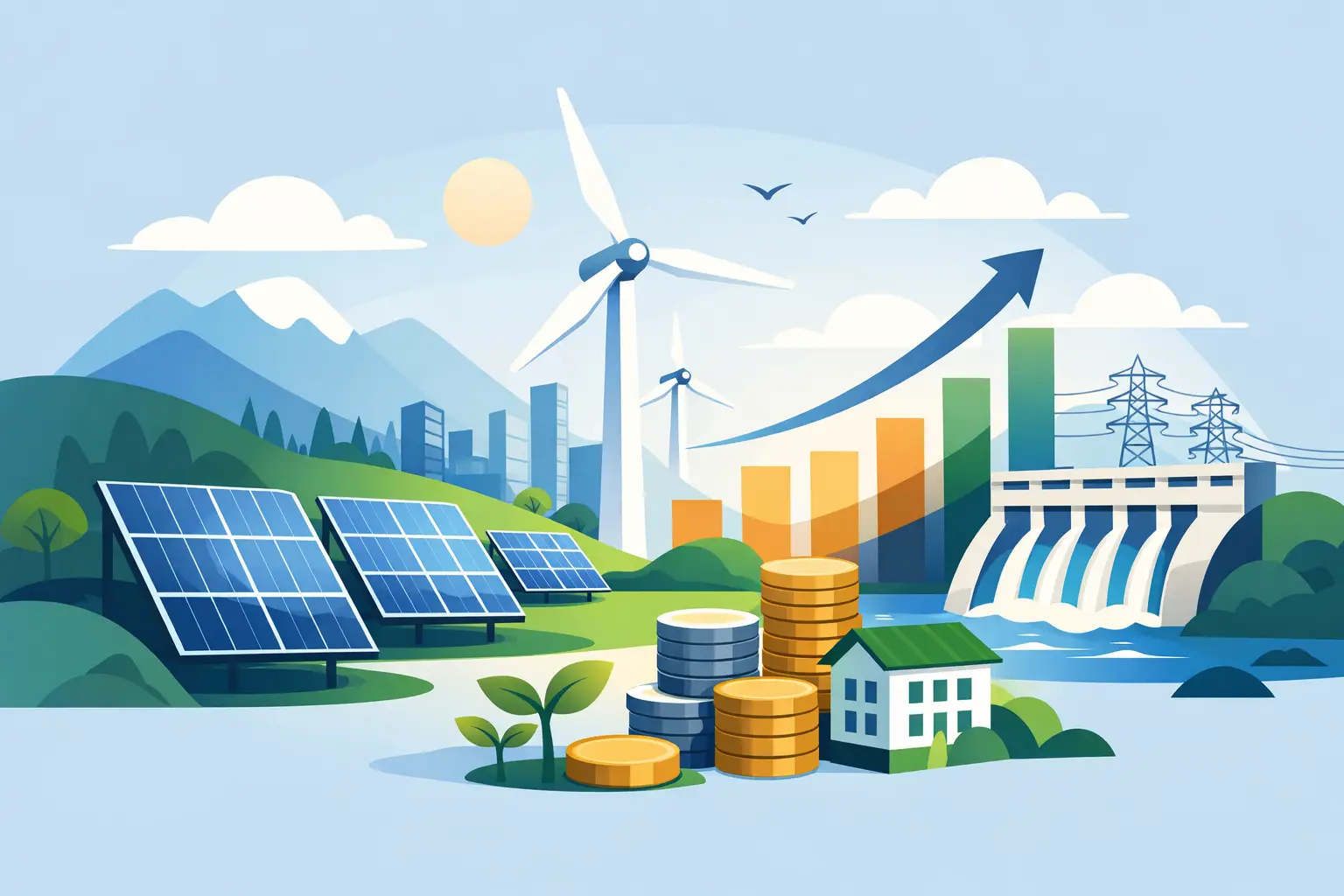
Infrastructure includes assets that support daily life and economic activity, such as renewable energy sites, transport-related assets, utilities and digital infrastructure. These projects often attract investors because they can provide long-duration income potential and exposure to essential services.
Not all infrastructure assets behave the same way. Some depend heavily on regulation, energy prices or project execution. Others may offer more stable cash flow profiles. The detail matters.
Land and development projects
Land, regeneration schemes and development opportunities can also be classed as real world assets. These can offer strong upside, but they may carry more planning risk, timing risk and market sensitivity than stabilised income-producing assets.
That is where investor expectations need to stay realistic. Tangible does not always mean simple.
What makes real world assets different from shares or crypto?
Real world assets are not automatically better than listed shares, bonds or digital assets. They are simply different.
Public shares give you ownership in companies, and they can be highly liquid. You can usually buy and sell quickly, but prices can move sharply in response to earnings updates, global events or market sentiment. Crypto, at the higher-risk end, can be even more sentiment-driven.
Real world assets tend to sit closer to underlying economic activity. A block of flats, a warehouse or a solar installation does not become worthless because social media sentiment changes overnight. But the trade-off is that these assets are often less liquid, more operationally complex and slower to buy or sell.
That balance is important. If you want instant dealing and daily price visibility, public markets may feel more convenient. If you want asset backing and exposure to sectors with practical use, real world assets can play a different role in a portfolio.
The appeal of asset-backed investing
There is a reason so many investors are drawn to the idea of owning part of something tangible. Asset-backed investing can feel more concrete because the investment is tied to a physical project or income-generating asset.
For some, that creates psychological comfort. For others, it is about diversification. Property and infrastructure do not always move in lockstep with listed equity markets, which can make them useful alongside more traditional holdings.
There is also an inflation angle. Certain real world assets may have income streams or valuation drivers that respond differently to inflation than cash savings do. Rental growth, development profits or infrastructure revenues can, in some cases, provide a partial hedge. That said, outcomes vary by asset type, market conditions and management quality.
The risks investors should understand
Real world assets sound straightforward because they are tangible, but they still involve real investment risk.
Property values can fall. Developments can be delayed. Construction costs can rise. Occupancy rates can weaken. Infrastructure projects can face planning issues, regulatory shifts or operational setbacks. Income is never guaranteed just because an asset is physical.
Liquidity is another major consideration. You may not be able to access your money as quickly as you could with a listed share. That makes time horizon important. Real world assets often suit investors willing to think in years, not weeks.
Then there is concentration risk. Buying into one building or one project can leave you heavily exposed to the performance of a single asset. A diversified fund structure can help reduce that risk by spreading capital across multiple projects, sectors or geographies.
Why access has changed
For years, many real world assets were effectively reserved for institutions, developers or wealthy private investors. The barriers were obvious - large capital requirements, legal complexity and limited distribution channels.
Digital platforms and fractional ownership models have made these assets more accessible. Instead of writing a six-figure cheque, investors can now gain exposure through lower entry points and regulated investment structures. That is a significant shift, especially for people who want to start building a portfolio before they have substantial capital.
Accessibility matters, but so does the framework around it. UK-regulated access, transparent structures and clear communication are not marketing extras. They are central to investor confidence. If an investment is complex, the platform offering it should make the structure, risks and objectives easy to understand.
That is one reason platforms such as CurveBlock have focused on combining lower minimum investment levels with diversified exposure to real estate and renewables infrastructure. The goal is not to make investing look effortless. It is to make high-barrier asset classes more achievable for everyday investors.
Are real world assets right for everyone?
Not necessarily. It depends on your goals, your time horizon and how much liquidity you need.
If you are building an emergency fund, keeping cash accessible usually matters more than chasing higher returns. If you are investing for the long term and want broader diversification beyond equities and savings, real world assets may be worth considering.
They can be particularly relevant for investors who want exposure to property or infrastructure but do not want the cost, hassle or concentration risk of buying a single asset outright. That said, they should still sit within a balanced plan, not replace one.
What to look for before investing
Before investing in any real world asset, look beyond the headline. Ask what the underlying asset actually is, how returns may be generated, what the main risks are and how long your money may be tied up.
It also helps to understand whether you are investing in a single project or a diversified fund, whether the structure is regulated, and how fees and ownership rights work. These details shape the real investment experience far more than broad category labels.
The phrase real world assets can sound technical, but the idea is simple. You are investing in things with practical, economic use in the real economy. If that appeals to you, the smartest next step is not to chase the trend. It is to choose access that is clear, regulated and built for long-term investors rather than short-term noise.