 CurveBlock
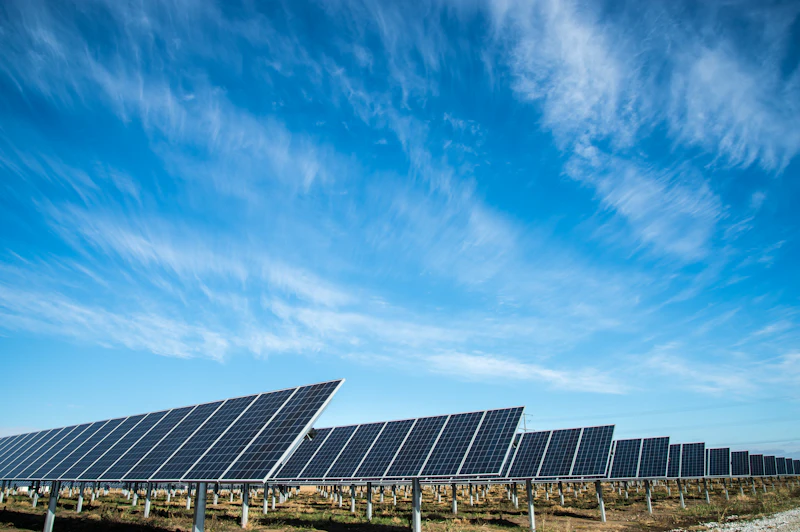
Rooftop installations are often constrained by site‑specific factors: roof orientation, structural capacity, shading and existing MV/LV connections. They commonly connect behind the meter to a host building’s supply or export to the local distribution network. Ground‑mounted projects, by contrast, tend to require higher‑capacity distribution connections, land rights, and often longer connection lead times. The physical design influences not only generation profiles but also the process and cost of connecting to network infrastructure.
Metering and settlement rules differ by configuration. Behind‑the‑meter schemes often rely on export metering arrangements that determine how exported energy is measured and sold. Export measurement inaccuracies can materially affect small projects’ revenue, so correct metering, verification and contractual clarity with offtakers or aggregators are crucial. Ground‑mounted sites feeding directly into the distribution network may be subject to different distribution use‑of‑system charges and reactive power management requirements.
Curtailment risk — where system operators instruct generators to reduce output to maintain network stability — is more pronounced in certain local network conditions. The incidence and compensation for curtailment depend on connection agreements and the flexibility of the asset (for example, paired storage can reduce curtailment exposure). Developers and investors should understand the connection agreement terms, the likely position in the local queue, and who bears curtailment risk.
For retail investors in fractional solar projects, distinctions between rooftop and ground‑mounted assets translate into different revenue profiles, operating responsibilities and technical risk. Clear documentation on connection terms, metering arrangements and curtailment exposure is therefore essential for assessing an opportunity.