 CurveBlock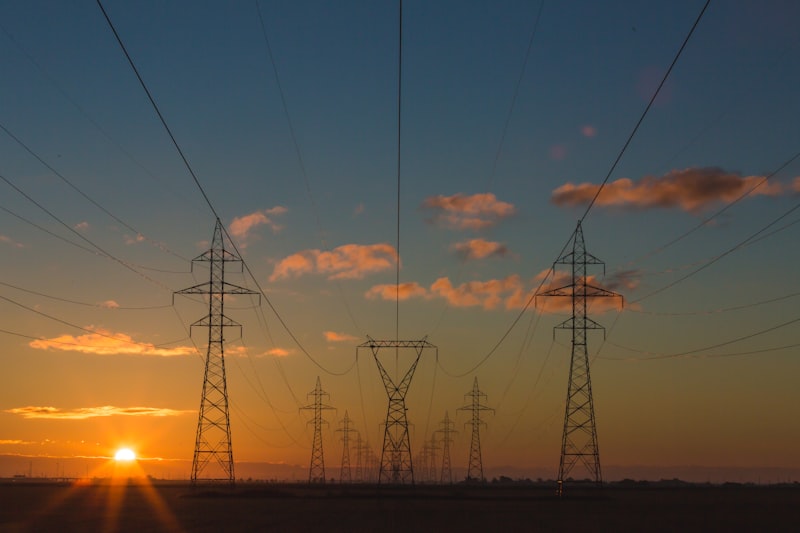
Connection to the wider grid is the default route for many rooftop and ground‑mounted solar projects, but exporters can encounter constraints and charging regimes that affect returns. Exporting requires a grid connection agreement and exposure to network charging frameworks; local network capacity and reinforcement needs can delay connections or add costs. National Grid ESO and distribution network operators plan for these flows and publish queue and capacity information that developers and investors should review.
Private wire solutions route generation directly to on‑site or adjacent users via a private distribution arrangement, avoiding some export charges and balancing arrangements. These setups rely on bilateral contracts (supply or lease), clear metering and often planning or easement agreements. Private wires can simplify revenue models when a reliable local offtaker exists, but they introduce counterparty and contractual risk tied to the local demand profile.
Aggregators and virtual power plant models offer another route: they pool generation and manage market access, balancing and trading, but investors should assess aggregator creditworthiness, pooling rules and revenue-sharing arrangements. Each connection choice affects metering, settlement timelines and how intermittency risk is managed with storage or demand flexibility.
For retail investors in fractional digital shares of renewables projects, understanding the chosen grid access route is essential. Connection type shapes revenue volatility, contractual counterparties and the technical risks the asset faces—factors that directly influence the income profile and operational complexity behind the fractionally held asset.